
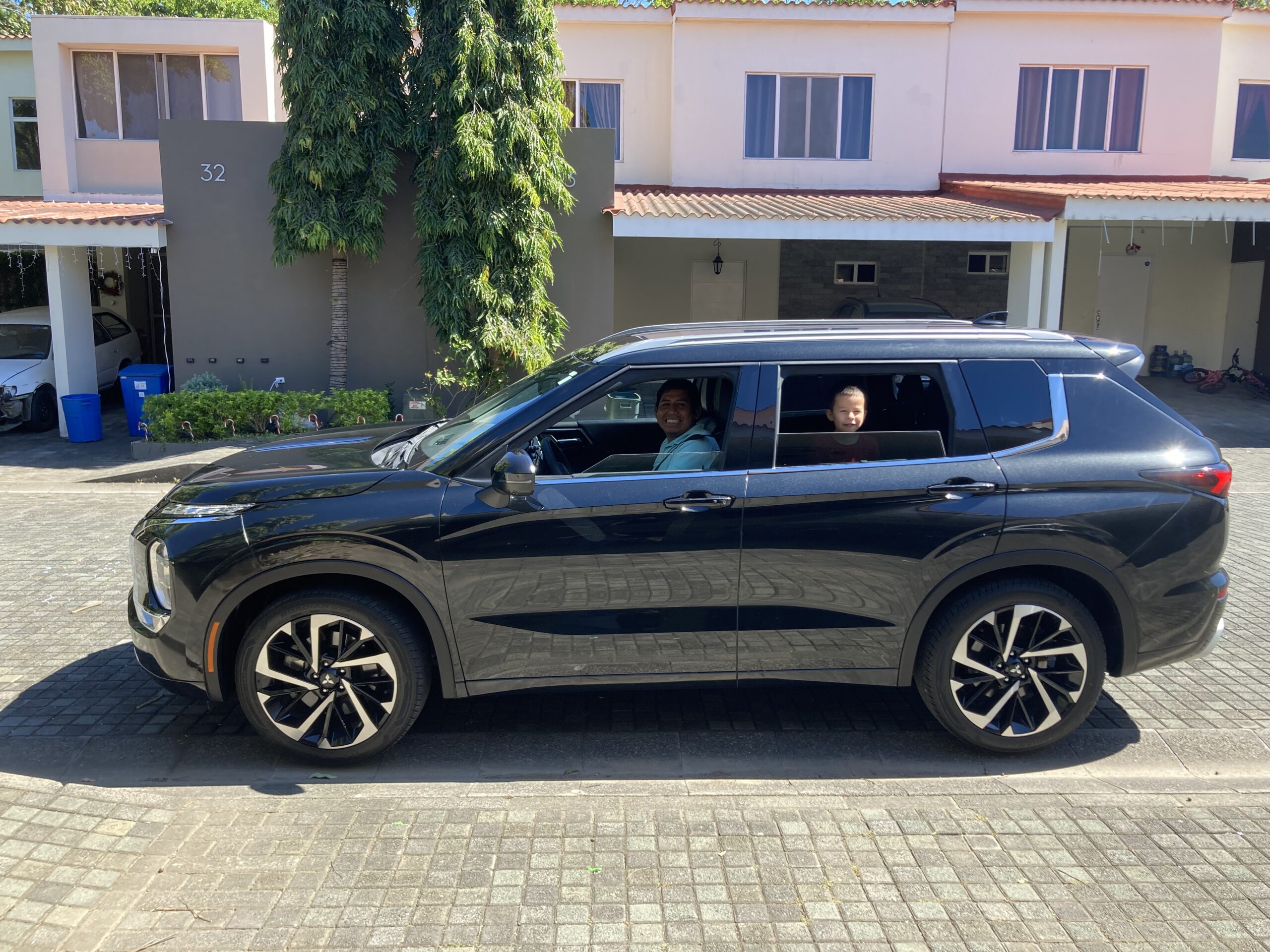
Driving in El Salvador: What to Know Before Renting a Car
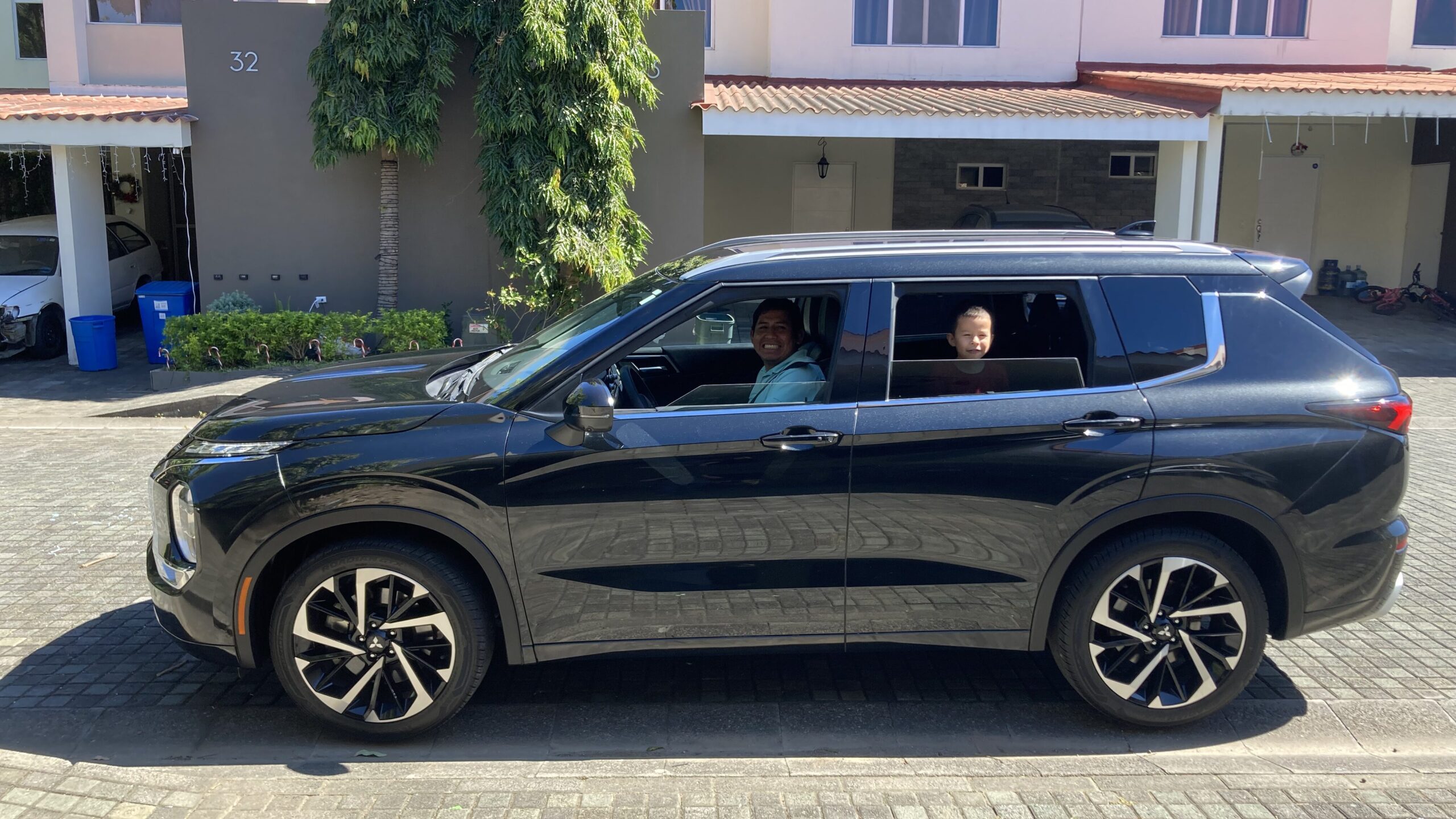
Renting a car is one of the best ways to explore El Salvador. Because of its small size, you’ll have the freedom to easily visit volcanoes, beaches, colorful towns, and parks all in one trip.This is why I often recommend renting your own car and driving in El Salvador to families who want the flexibility to explore beyond the main tourist areas.
That said, driving in El Salvador has its own learning curve, and I know firsthand that driving in a new country can feel intimidating. Is it safe? What are the roads like? Are the rules the same? Do you need a 4×4? After years of driving in El Salvador, I’ve learned that you can adjust fairly quickly once you know what to expect.
Here’s everything worth knowing before you get behind the wheel.
Where to rent: larger rental companies vs. small local companies
There are basically two options: renting with an international car rental company or going with a smaller, local company. Both have tradeoffs.
International companies are generally the more reliable choice. The major companies have counters right before you exit the airport — you sign your paperwork there, then most will shuttle you to a nearby lot where the cars are waiting. Expect the process to take a while, so don’t plan anything time-sensitive right after you land. The upside is consistent customer service and vehicles you can count on. Note that airport rentals will cost more, as they require you to pay for insurance that smaller shops may not. More about that below…
Smaller local companies can be significantly cheaper, and many people use them without any problems. That said, quality and reliability vary a lot depending on who you rent from, so it is important to investigate well.
Insurance: what you actually need
This is one of the most important things to know before you pick up a car, so let me break it down:
All drivers in El Salvador are legally required — under Chapter III, Article 236 of the El Salvador Traffic Regulations — to carry Third Party Liability insurance (TPL). This covers damage or injury you cause to other people and their property. It does not cover you, your passengers, or the rental car itself. Note that no credit card offers this coverage in El Salvador, so you will always need to purchase it, either included in your rental rate or as a separate charge.
One important thing to understand: the basic legal TPL minimum can be as low as $5,000 USD per incident. In a serious accident involving multiple people and expensive vehicles, that amount gets exhausted fast. Most companies offer Supplemental Liability Insurance (SLI/ALI) to raise that limit — some options go up to $300,000 or even $1,000,000 USD. For real peace of mind, it’s worth considering.
Beyond TPL, here are the other coverage options to know about:
- CDW/LDW (Collision/Loss Damage Waiver) — an agreement where the rental company waives its right to charge you the full vehicle value if the car is damaged or stolen. You still pay a deductible, which can be $1,000 USD or more depending on the company. If your credit card offers this, you’ll typically need a written confirmation letter to prove it at the counter. So before you arrive, ask your credit card company about it and get it in writing if you can. This is mostly important for the international car rental companies.
- PAI (Personal Accident Insurance) — covers medical expenses for you and your passengers. Check your personal travel insurance first, as you may already have this covered.
- Zero Deductible / Super Cover — eliminates the CDW deductible entirely. Higher daily cost, but total peace of mind.
Before you go, check your credit card. Many cards offer collision damage, theft, or deductible protection when you use them to pay for the rental. Check what your specific card includes and whether you need to opt in or if it’s automatic — that way you don’t get sold something you don’t need. You may need written proof at the counter.
Also contact your home insurance provider. Some policies extend coverage internationally. Worth a quick call before your trip.
How the major companies handle insurance varies. As a general overview:
Europcar bundles TPL, CDW, and theft into a transparent base package (vehicle damage deductible is 10% of vehicle value).
Budget includes TPL in the rate but requires a $3,000 USD security deposit if you decline minimum coverage and has a minimum renter age of 25.
Enterprise requires TPL or their full protection package, with a deductible of up to $250 USD.
There are also newer digital peer-to-peer platforms like Carvi that include insurance in their rates with a fixed $500 deductible.
Car Rental Company Recommendations
If you’re going with one of the international brands, Enterprise, Alamo, and National tend to be the least painful experience in El Salvador, reviews show that they are generally more straightforward and provide good service. Budget and Avis, on the other hand, have bad reviews in El Salvador for “surprise” charges at the counter. So just be aware of this when you’re comparing prices and tempted to default to a familiar name.
If you want a local agency with a solid track record, a few stand out on Google reviews. Premium Rental Car El Salvador holds a 4.9 rating across 330+ reviews, with travelers consistently mentioning clean cars and an easy airport handoff. Rent a Car El Salvador isn’t far behind at 4.8 with nearly 300 reviews, known for fast WhatsApp communication and meeting you right at arrivals. Agencia Bautista has the largest review base of any local agency we found — 470+ reviews at a full 5.0 — with renters frequently praising responsiveness and no hidden fees. All three offer the convenience of airport pickup.
Remember:
When you pick up the car, do a thorough inspection before driving off. Record a video or take photos from all angles — scratches, dents, tires, glass. Make sure every pre-existing damage is documented on the contract and that you receive a signed copy. This protects you from being charged for damage you didn’t cause
Also be aware: coverage is voided if you drive under the influence, or let an unregistered driver behind the wheel. In those cases you’re on the hook for 100% of costs.
Roadside assistance is often available as an add-on, but not always!
When renting, double-check whether you’re getting an automatic or manual transmission. Don’t assume — confirm before you sign anything.
Zero tolerance for drinking and driving in El Salvador. El Salvador has cracked down hard on this — any level of alcohol is unacceptable. This is strictly enforced.
One more thing worth asking about: car seats. Not every company includes them, and the ones that do aren’t always in great condition, there is no gaurantee that you will get one that is not expired, the right size for your child, or even clean. If you’re traveling with a baby or toddler, it’s often easier (and safer) to sort this out separately — see our guide to baby gear rentals in El Salvador for more info.
Do I need a special license?
A valid driver’s license from El Salvador or your home country is all you need to get driving in El Salvador. If you’re visiting on a tourist visa, you’re covered for the duration of your stay.
Road conditions
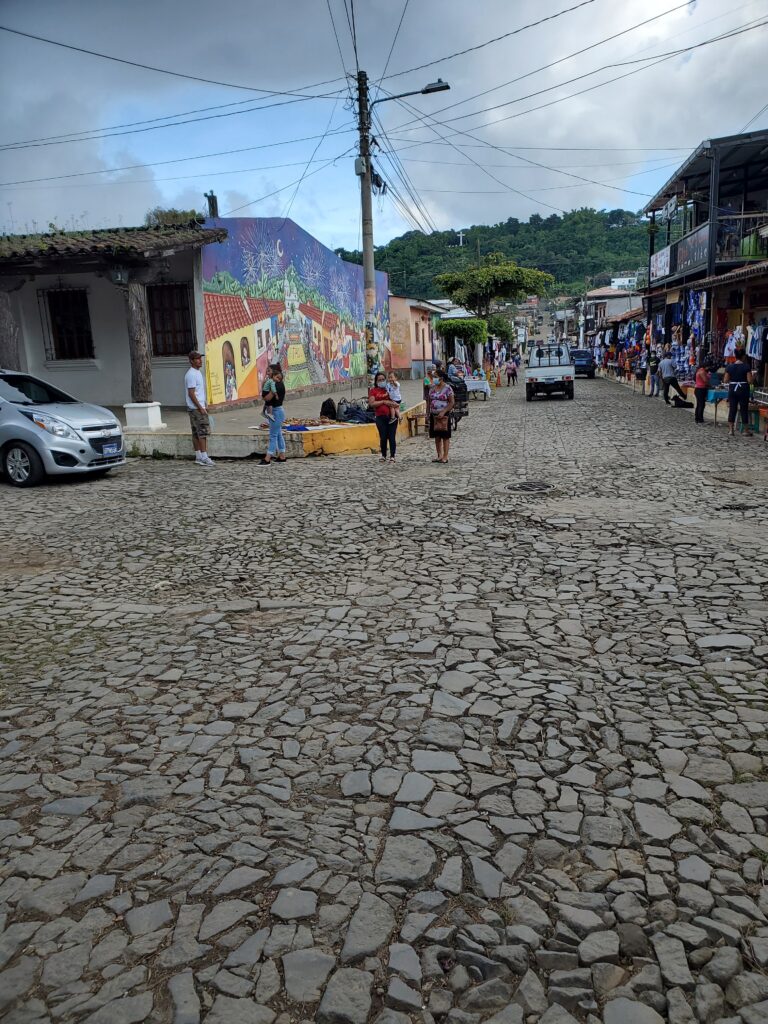
Major highways are generally in decent shape and there has been a lot of recent construction and improvement. Once you get into smaller towns, some beach areas, or head toward national parks, expect more potholes, and some dirt, cobblestone or gravel roads. Usually you won’t need a 4×4 but road conditions in some areas can make for slower driving in El Salvador. If you’re following a multi-stop route like our 5-day family itinerary, it’s worth padding your drive times for these stretches.
Also when it rains, it really rains. Heavy downpours can reduce visibility significantly, flood low-lying roads, or even create temporary rivers across the road. If you’re caught in one, follow the locals: slow way down, put your hazards on, and if needed, pull over and wait it out, the good news is the heaviest part usually doesn´t last too long.
How driving in El Salvador actually works
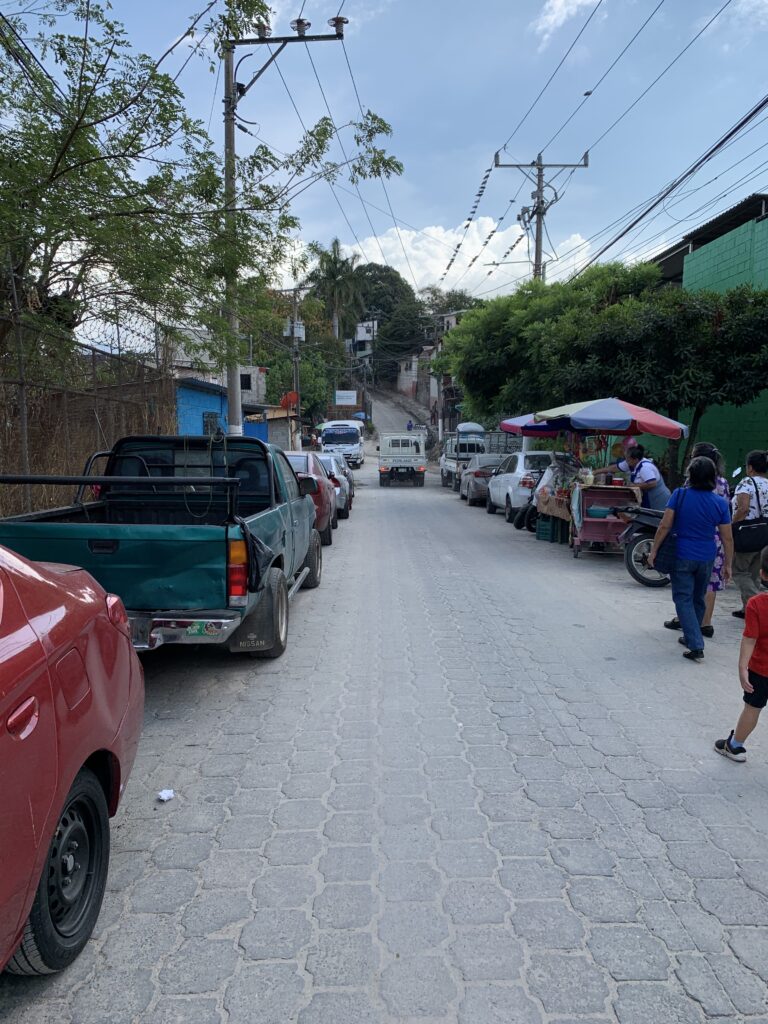
Salvadoran drivers are assertive. If you’re waiting at an intersection for a kind soul to wave you in, you might wait a long time. Most drivers inch forward until they’re essentially in traffic, forcing traffic to stop for them. So it is something to watch out for and expect.
Hazard lights are common communication. Cars that stop on the side of the road (and some will stop randomly) should flash their hazards, though not always. On narrow two-way streets, or when taking turns a quick flash of lights usually means “go ahead” or “thank you.” Big, long horn blasts are for heavy traffic or near misses only — El Salvador is not a big honking culture in general.
Watch for motorcycles. Really. They can be unpredictable. Motorcycles do not stay in their lanes, they travel between cars, cut across traffic, and make can make unexpected turns. Give them space whenever you can and stay aware of what’s around you at all times.
Also watch for pedestrians, who will cross wherever it’s convenient (including on busy roads with pedestrian bridges nearby). Stray dogs — called chuchos locally — are common too, especially in small towns. They’re usually not aggressive; a quick, light honk is enough to wake one sleeping in the road.
Bus drivers are another thing to watch for. They drive aggressively, stop without much warning, and will cut in front of you. Best to avoid getting directly behind or in front of a bus when you can.
During heavy traffic, vendors will walk between stopped cars selling drinks and snacks. It’s part of the experience. I personally like to have a dollar ready so I can buy a quick snack if they have something we like. (A bunch of bananas for a dollar, why not?)
Traffic times to avoid
Rush hour is genuinely bad. Plan around it if you can.
- Weekdays: heavy traffic 6–9 am and again 3:30–7:30 pm
- Saturday: traffic 6–9 am (many Salvadorans work Saturday mornings) and again 11:30 am–1 pm
- Sunday: almost none — best day to drive through the city by far
Navigation tips
Google Maps works well for most of the country. In downtown San Salvador, switch to Waze — it has better knowledge of one-way streets there. Road signs in general are not great, and sometimes they are non-existant, so keep an eye on your map rather than looking for posted signs. Be cautious at intersections as sometimes stop signs are hard to see. Live navigation needs data, so sort that out before you pick up the car (here’s how to get phone service in El Salvador). We recommend a Holafly eSIM (5% off with code ESKIDSGUIDE).
Roundabouts are very common, particularly in the city. They keep traffic flowing but take some getting used to. The rule: if you’re taking the first or second exit, stay in the outer right lane. Third or fourth exit, get into the inner lane. Take it slow and you’ll be fine.
Getting gas
All gas stations have attendants — you don’t pump your own gas here. Prices are listed by the gallon. Most people order by dollar amount rather than volume: “20 dollars of regular” or “fill it up with special.” Regular and special (premium) are the two main options.
Police and checkpoints
Police here are mostly stationed at fixed points to guide traffic — they don’t typically patrol and pull cars over the way you might be used to in the US. During holidays or at certain checkpoints (usually looking for contraband in trucks), they may stop vehicles and ask for your ID and car registration. Generally they check and let you go without issue.
You’ll probably see things that would be illegal at home but are tolerated or inconsistently enforced here. Just follow the rules yourself, carry your documents, and you’ll be fine.
Ready to hit the road?
Driving in El Salvador takes a little adjusting, but most families find it’s worth it for the freedom, stopping for pupusas wherever you want, changing plans when the kids fall asleep, or detouring to a beach you hadn’t planned on. Once you’ve got wheels, you can consider what your big stops may be, check out my example itinerary for ideas, or you can see my list of free things to do with kids near San Salvador as a good place to start filling in the gaps between bigger stops. And if you’d rather talk through your specific trip — dates, kids’ ages, which regions make sense to string together — you can book a quick consultation call and we’ll map it out together.
No responses yet