Is El Salvador Safe for Kids and Families?
A local parent’s honest guide to traveling safe in El Salvador with kids
Quick Answer: Is El Salvador Safe for Families?
Yes — El Salvador is much safer today than it was in the past, and many families are now visiting and exploring the country.
Violent crime has dropped dramatically in recent years, tourism is growing quickly, and the government has begun investing in initiatives to make the country more welcoming for families and children.
Like traveling anywhere in the world, it’s important to take normal precautions, but overall El Salvador can be a wonderful destination for families.
As someone who has lived here for over seven years total (before the safety change and after) and traveled around the country extensively with young kids, I want to share what safety really looks like today.
Safety in El Salvador Has Changed Dramatically
For many years El Salvador had a reputation that made travelers hesitant. But the reality today is very different from what many people still imagine.
Over the past five years, the country has undergone a major transformation in public safety.
Gang activity that once affected many communities has been drastically reduced, and violent crime rates have fallen significantly.
Today, El Salvador’s homicide rate is estimated at around 1.3 per 100,000 people, making it one of the lowest in the Americas, and much safer than many U.S. cities.
Even more importantly, surveys show that about 87% of Salvadorans report feeling safe in their daily lives. When you visit, you can feel this shift. Parks are full of families, people are out walking at night, and there is a sense of calm in many places that simply did not exist in the past.
Tourism in El Salvador Is Growing Fast
Another clear sign of these changes is the growth in tourism.
El Salvador has been recognized as one of the fastest-growing tourism destinations in the region, with visitor numbers increasing significantly in recent years.
For families considering a visit, this growth means:
- more hotels and accommodations welcoming international travelers
- better tourism infrastructure
- more tours and experiences designed for visitors
In other words, you won’t be the only adventurous family discovering the country.
El Salvador Is Becoming a Family-Friendly Destination
One of the most exciting developments in recent years is the country’s growing focus on families and children. The Salvadoran government, including initiatives led by the First Lady, has placed strong emphasis on early childhood development programs known as “Primera Infancia.”
These programs aim to improve:
- healthcare for pregnant women and young children
- educational opportunities
- early childhood support services
This focus is now extending into tourism as well.
The Family-Friendly Seal
A new initiative encourages businesses and tourism sites to obtain a family-friendly certification seal.
Places with this certification may include features such as:
- stroller and wheelchair accessibility
- baby changing tables
- breastfeeding or lactation spaces
- first aid supplies
- clearly marked safety routes in case of emergencies
Many government tourism sites are already adopting this program, and more private businesses are working toward it. Learn more about it and the places already certified here.
The goal is to make El Salvador one of the most welcoming destinations for families in the region.
Salvadorans Are Extremely Welcoming to Families
One thing that visitors often notice right away is how kind and welcoming Salvadorans are.
Culturally, families are extremely important here, and children are adored.
It’s common for someone to smile at your kids, offer help if you look confused, or strike up a conversation while you’re waiting somewhere.
When traveling with children, this warmth makes a big difference. It creates a feeling that your family is welcomed rather than just tolerated.
Health Concerns Families Often Ask About
Many parents wonder about food safety, water quality, or access to doctors when traveling to El Salvador.
These are smart questions to ask when visiting any country.
Food and Water Safety
In established restaurants, food safety standards are generally very good.
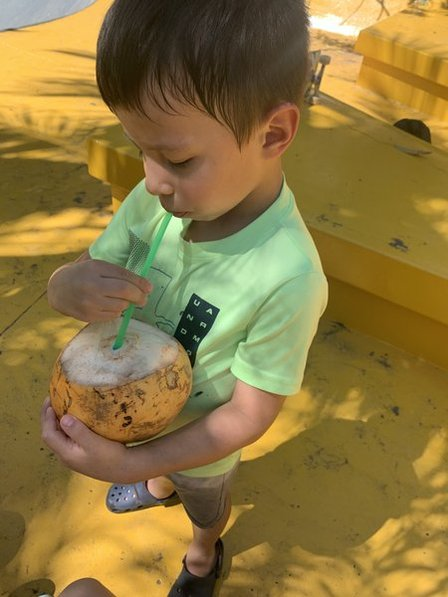
Restaurants typically serve drinks using filtered or bottled water, and drinks served with meals are not made using water taken directly from the tap. If you ask for water at a resturant it is almost always an extra cost and you will be given a bottled water.
Raw vegetables are usually washed with clean water sources, and kitchens follow health standards similar to restaurants anywhere else.
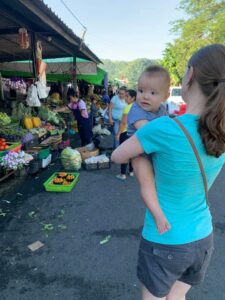
The only place where families may want to be a little more cautious is informal street vendors or small market stalls, especially when it comes to juices or uncooked foods.
But in normal restaurants, you can comfortably enjoy the local cuisine.
The #1 Travel Tip for Avoiding Stomach Bugs
After traveling with kids for years, I’ve learned that the most effective way to avoid illness while traveling is very simple:
Wash hands before eating.
When traveling you are constantly touching new surfaces, and children especially tend to snack frequently and are always putting things in their mouth. So they are the most susceptible to stomach bugs.
Making sure hands are clean before eating ANYTHING can prevent many common stomach issues.
I highly recommend carrying hand sanitizer when you’re out exploring and don’t have access to water and soap.
Access to Healthcare
Another common concern for families is access to doctors.
In San Salvador and other major areas, there are excellent hospitals and clinics, and many doctors speak English, especially if you are near the capital.
Medical care is accessible if you need it during your visit.
If you have an emergency you can go to any local government hospital emergency room, the service is free and generally kids will pass to be seen by a doctor quickly. For adults, the wait can be longer. I have taken my kid twice so far, once with a bleeding head wound which was attended to extremely quickly, and another time with a smaller stomach issue which took all morning.
A well recomended private hospital with pediatricians that speak English is the Hospital de Diagnóstico in San Salvador. Their kids’ wing has a great reputation and staff who generally speak fluent English. If you need a pediatric consult, this is a good option. In general health care is much cheaper in El Salvador, but prices for private docors can vary (a general consultation is generally from $35-$55).
Farmacias Económicas and Farmacias San Nicolás are local pharmacies that are open till late and will have pretty much any health items you may need, including: formula, diapers, wipes, electrolyte drinks (called suero here), childrens ibuprofine or acetominophen, etc.
Another tip is you can actually order a lot of pharmacy items to get delivered to you via the local delivery app: PedidosYa. This can be a total life saver if you just need something basic and don´t want to try to navigate local traffic to get to a store.
Mosquitoes and Tropical Illnesses
Because El Salvador is a tropical country, mosquitoes and mosquito-borne illnesses such as dengue can occur.
This is something locals are aware of as well.
However, with a few precautions, the risk can be managed easily.
Best Time to Visit to Avoid Mosquitoes
El Salvador has two main seasons:
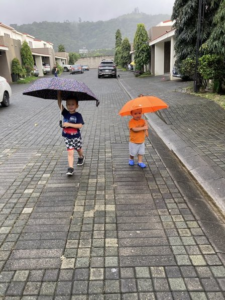
Dry season: November to April
Rainy season: May to October
Mosquito populations tend to be much lower during the dry season, while rainy season can bring more mosquitoes due to standing water.
How Families Can Protect Themselves
Simple precautions go a long way:
- use bug spray containing DEET or picaridin
- wear lightweight long sleeves or pants in the evenings
- stay in accommodations with screens or air conditioning
When I was pregnant and visiting El Salvador, Zika was a major concern at the time. I used picaridin on my clothes and had very few mosquito bites during those trips.
I also like picaridin lotion, which lasts much longer than sprays and works well for kids. DEET sprays are common and easy to find locally at farmacies and grocery stores.
Driving in El Salvador
Driving is another topic families often ask about.
The driving style here is definitely different from what many people are used to in the United States or Europe.
Drivers tend to be more assertive, and you may notice:
- cars pulling into traffic quickly
- vehicles stopping unexpectedly
- lots of roundabouts
When I first started driving here, it took some adjustment. After several years, it now feels completely normal, no accidents yet! I have heard driving aggression can be worse in other countries, the culture here doesn’t do a lot of beeping or honking. If anyone flashes their lights at you, it is usually a courtesy sign that they are stopping for you and you can go ahead in front of them.
Traffic Tips
Traffic can be heavy in San Salvador, particularly during rush hours.
Morning rush hour: 7:00–9:00 AM
Evening rush hour: 3:30–7:00 PM
In El Salvador the work week extends to Saturday morning so there is another rush hour Saturday morning and at noon when most work ends.
The Los Chorros highway, which connects the western part of the country with San Salvador, can be especially busy as it is currently under construction and highly transited. Avoid traveling on it during rush hours as best you can!
Planning travel outside of these hours makes driving much easier and will save you HOURS of time.
Should Families Rent a Car?
For families traveling with kids, renting a car can be very convenient.
Having your own vehicle allows you to:
- stop whenever children need a break
- grab food or drinks easily
- travel at your own pace
You can coordinate airport pickup with a lot of well known rental car services at the airport. Compare prices at booking.com or Expedia.
Hiring a driver is another option if you prefer not to drive.
One thing to keep in mind is that most Ubers do not carry car seats, which can make them less practical for families traveling with young children. Some car services will provide if they have any available so make sure you check and reserve ahead of time.
Car seats are now mandatory by law in El Salvador, with all children 5 and under needed to be in their own car seat or you can face a $150 fine. (Car seats and other items can be rented locally if needed.)
What About Corruption or Bribes?
Some travelers worry about being stopped and asked for bribes while traveling in Latin America.
In my years traveling around El Salvador, I have never experienced this here from police or government officers.
The government has made strong efforts to reduce corruption, and it’s not something most visitors encounter.
You may occasionally find that prices are slightly higher for tourists in markets or shops, but this is different from anything that would affect your safety.
Final Thoughts: Is El Salvador Safe for Families?
From my experience living here and traveling throughout the country with children, El Salvador can absolutely be a safe and rewarding destination for families.
Like visiting any country, it’s important to stay aware, take basic precautions, and plan ahead.
But what many families discover when they arrive is a country that is:
- welcoming
- beautiful
- family-oriented
- and increasingly safe
Once you experience it for yourself, you may find that El Salvador becomes one of your favorite places to explore with your family.
📱 Safety tip: stay connected. Having data the whole trip makes everything easier, from checking a route to messaging your hotel or calling an Uber. Our SIM card and eSIM guide walks you through the options. We recommend a Holafly eSIM, and our readers get 5% off with code ESKIDSGUIDE.
Ready to plan your trip?
Check out my sample itinerary, or you if you still have more questions and want someone to talk through your plans, you can book a consult with me!
Frequently Asked Questions
Is El Salvador safe for tourists in 2026?
Yes. Safety has improved significantly in recent years, with one of the lowest homicide rates in the Americas today.
Is El Salvador safe for kids?
Yes, many families travel throughout the country. With basic precautions and good planning, it can be a great destination for children.
What is the best time to visit El Salvador with kids?
The dry season from November to April is often ideal because there is less rain.
No responses yet